
The Future of the Forest: Understanding ENR
Imagine giving nature a helping hand without the need for massive industrial nurseries or heavy machinery. Enhanced Natural Regeneration (ENR) is an innovative, low-cost approach to restoring our northern landscapes. By strategically moving young, hardy trees within their native environment, we can speed up forest recovery and strengthen ecosystems. It’s a simple, sustainable way to ensure our boreal forests remain resilient, vibrant, and ready to face the future.
What is Enhanced Natural Regeneration?
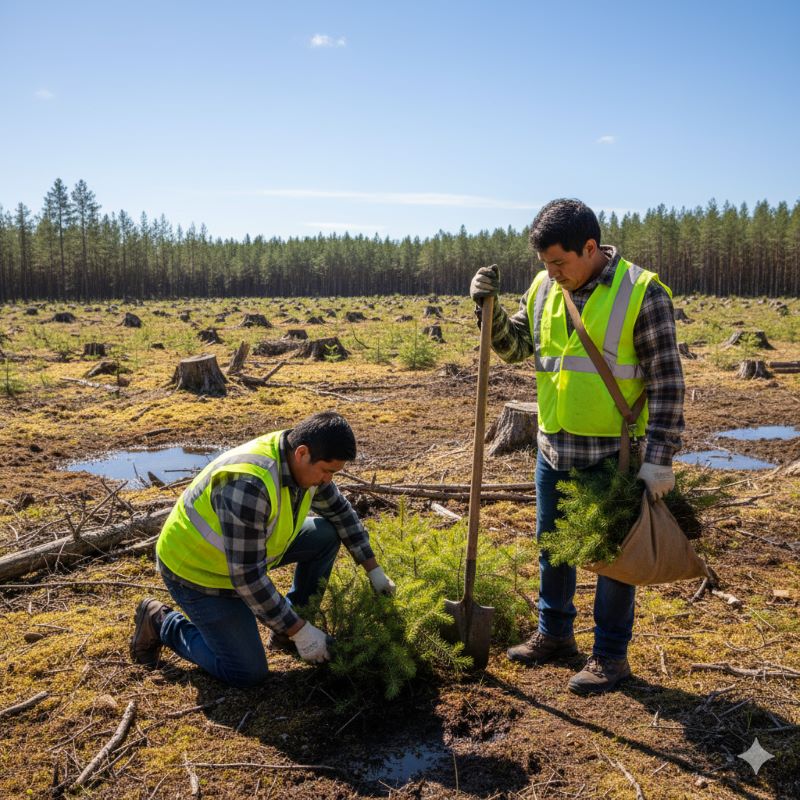
At its core, ENR is a type of Assisted Natural Regeneration (ANR). While some areas are left to heal on their own, ENR steps in to “repair” spots where nature might need a little boost. Instead of buying seedlings from a distant greenhouse, practitioners find “wild” saplings that are already thriving nearby—often along roadsides or tucked within dense sections of the existing forest.
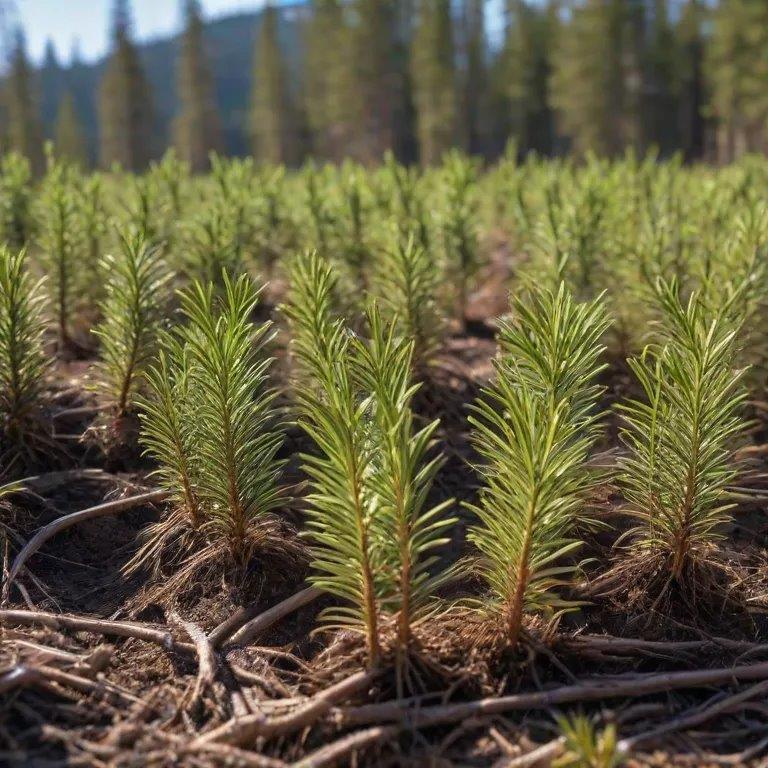
These young trees are then transplanted into open spaces, such as areas recently logged or cleared by wildfire. One creative method involves growing “gardens of conifers” directly within these disturbed sites. Once these “nursery patches” are established, the juvenile trees are moved to fill in the gaps across the broader landscape.
More Than Just Planting: Safety and Efficiency
ENR isn’t just about growing more trees; it’s a tool for land management. For example, it can be used to create strategic firebreaks. By transplanting trembling aspen into the firebreak and moving the conifers outside the firebreak, we can create a natural buffer that helps slow the spread of wildfires.
The most significant advantage of ENR is its simplicity. Because the trees are sourced locally:
- No refrigerated trucks are needed for transport.
- No commercial nurseries are required to grow the stock.
- Costs are kept low, making it an accessible option for large-scale restoration.
Conclusion
Enhanced Natural Regeneration proves that the best solutions are often the simplest. By working with the forest’s own resources, we can restore damaged lands and protect communities from fire in a way that is both economically smart and environmentally sound. This “boots-on-the-ground” approach skips the industrial middleman, focusing instead on the natural strength of the boreal forest. It’s a practical, localized way to grow a greener, safer tomorrow. Visit the ENR website.